Questions and Answers
Many of you have asked me to put together a section on frequently asked questions about peripheral vascular disease. Below are some common questions and their answers. I hope you find them helpful.
If my saphenous vein is removed, will it affect my circulation?
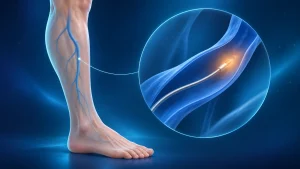
A. Removing or closing the saphenous vein during varicose vein treatment does not adversely affect the limb, as might be expected, but instead improves overall venous return. When the saphenous vein is incompetent, it allows pathological reflux of blood in the wrong direction. This creates an abnormal circuit that overloads its tributaries and other veins in both the superficial and deep venous systems. As a result, veins begin to enlarge and become tortuous. In other words, the affected saphenous vein is working against normal circulation rather than fulfilling its role. Removing or closing it eliminates the abnormal circuit and allows blood to return normally through healthy veins and the deep venous system.
During a check-up, I was told that I have calcification of the aorta. Will I need surgery? Is it serious?
A. An incidental finding of arterial calcification is not in itself a sign of serious symptoms, but it alerts us to possible atherosclerosis. It indicates susceptibility to arterial wall degeneration and atheromatous plaque formation in the presence of cardiovascular risk factors (high blood pressure, diabetes, high cholesterol, obesity, smoking, inactivity, etc.). Some people, even athletes and those with a healthy lifestyle, may be unaware of existing risk factors. Therefore, if isolated arterial calcification is found, seek medical advice for a detailed assessment and preventive measures to slow progression of atherosclerotic disease.


A few months ago, I developed cellulitis in my leg and was admitted to hospital for antibiotics. My leg is still swollen. If the cellulitis has resolved, why has the swelling not gone down?
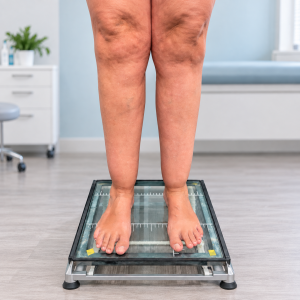
This is a very common concern. I will try to explain it clearly. Our body has 3 vascular systems: arterial, venous and lymphatic. The arterial system supplies oxygenated blood and nutrients to tissues. The venous system returns blood to the heart so it can be pumped around the body again. The lymphatic system collects excess tissue fluid, rich in proteins and immune cells, that has not been removed by the venous system. Cellulitis is an infection of the soft tissues. During infection, the tissues become inflamed, with a significant accumulation of inflammatory fluid rich in proteins and immune cells; the leg typically becomes swollen, red and very painful. The lymphatic system is responsible for draining much of this excess fluid, but the lymphatic vessels themselves may be damaged during the infection. Even when the cellulitis improves with appropriate treatment, damage to lymphatic vessels or reduced lymphatic function may persist. Chronic oedema (swelling of the leg) is therefore common after the infection. The lymphatic vessels may no longer clear excess tissue fluid effectively. This is called lymphoedema and should be assessed and followed up by a specialist in Angiology and Vascular Surgery.


Symptoms of peripheral vascular insufficiency
I was diagnosed with intermittent claudication a few months ago. I cannot walk very far and always have to stop. Will I need surgery? Is it serious?
There are several causes of intermittent claudication (sometimes called window-shopping disease). Vascular claudication occurs because the arterial system cannot deliver adequate blood to the muscles used for walking, usually due to arterial obstruction from atherosclerosis. If you have intermittent claudication, the most important step is to seek prompt vascular assessment to determine whether the cause is vascular. If this is confirmed, treatment is usually initially non-surgical, based on education, lifestyle recommendations and medical management explained by your vascular specialist. Stopping smoking and addressing cardiovascular risk factors are particularly important. In most patients who follow appropriate medical treatment, claudication improves and surgery can be avoided.
I had 2 foam sclerotherapy sessions for my varicose veins 6 months ago and have noticed that the same veins have returned. They had disappeared and I was happy with the results. Why have they come back? Was I misled?
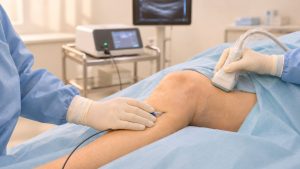
The use of foam sclerotherapy for truncal varicose veins is NOT simply a one-off procedure after which treatment is complete. It is a course of treatment that may take time. I always explain to my patients that continued follow-up is needed until the treated vein or veins have closed on duplex ultrasound. After the sessions have finished, follow-up at 3, 6 and 12 months is important. If treated veins recanalise, further sessions are needed until effective sclerosis and closure have been achieved. Otherwise, recurrence may occur. The larger the varicose veins, the greater the need for follow-up.
If I have varicose vein surgery, will the veins come back?
To answer this question, a few points need to be clarified. Varicose vein disease is complex and has many contributing factors, particularly genetics. After treatment corrects abnormal venous return and the circuits overloading the system, normal function improves. However, the patient remains exposed to the same factors that originally caused varicose veins, especially genetic predisposition. Recurrence is therefore possible, not necessarily in veins that were successfully treated, but in previously healthy veins that become varicose over time.
I had deep vein thrombosis in my leg and took anticoagulants (Sintrom) for 6 months. My doctor said it had resolved and told me to stop Sintrom, but my leg still swells every day. I do not know what to do. I am afraid the thrombosis has not resolved. What should I do?
After deep vein thrombosis (DVT) of the lower limb, residual changes may remain in the deep venous system, such as narrowing, fibrosis, intraluminal webs or bands, and damage to valves that normally prevent reflux under gravity. This can happen even after appropriate treatment. Persistent swelling during the day is very common after DVT and may reflect chronic post-thrombotic changes rather than recurrent thrombosis. Treatment is available, but you should be reassessed by your Vascular specialist, who can explain the appropriate management.

My father died from an aortic aneurysm. Should I have a vascular assessment?
Yes. There is a genetic component to arterial aneurysm disease, and a family history increases the risk of developing an aneurysm. An abdominal aortic aneurysm occurs when the aortic wall weakens, associated with factors such as atherosclerosis, collagen abnormalities or, less commonly, infection. Over time, blood pressure causes the artery to enlarge. If the arterial wall can no longer withstand that pressure, it may rupture, causing internal abdominal bleeding that can be fatal without urgent treatment. A family history, age over 60, smoking, hypertension and obesity further increase risk. A preventive consultation with a vascular surgeon is worthwhile.

Which is better: varicose vein surgery in an operating theatre or microfoam sclerotherapy?
The answer is: it depends. The most appropriate option for straightforward great saphenous vein incompetence with varicose tributaries is endovenous treatment with radiofrequency or laser ablation . However, each case must be assessed individually. Treating a patient with uncomplicated varicose veins for the first time is different from treating recurrent varicose veins after several previous interventions. Each patient therefore has different indications, and depending on their venous anatomy, either technique or a combination may be appropriate. In my clinical opinion, after a thorough duplex ultrasound assessment, a combined approach is often the best option, using several techniques in the same procedure to minimise surgical trauma.
I have had varicose vein surgery twice on the same leg, but the veins came back. Is this normal? Will I need another operation?
Recurrent varicose veins are relatively common in clinical practice. The mechanisms of recurrence after a successful intervention are not fully understood, but recurrence may be related to inadequate diagnostic assessment, insufficient follow-up or incomplete treatment. If your varicose veins have recurred, they may have an irregular anatomical distribution without a defined pattern, which we call complex varicose veins. Their treatment requires specialist expertise to identify the source of the problem as accurately as possible and choose the appropriate treatment. The answer to your question is Yes, under the care of a specialist experienced in complex varicose veins who can plan and oversee the entire process. It may not be quick or straightforward, but even situations that initially appear difficult to resolve can often be managed.