


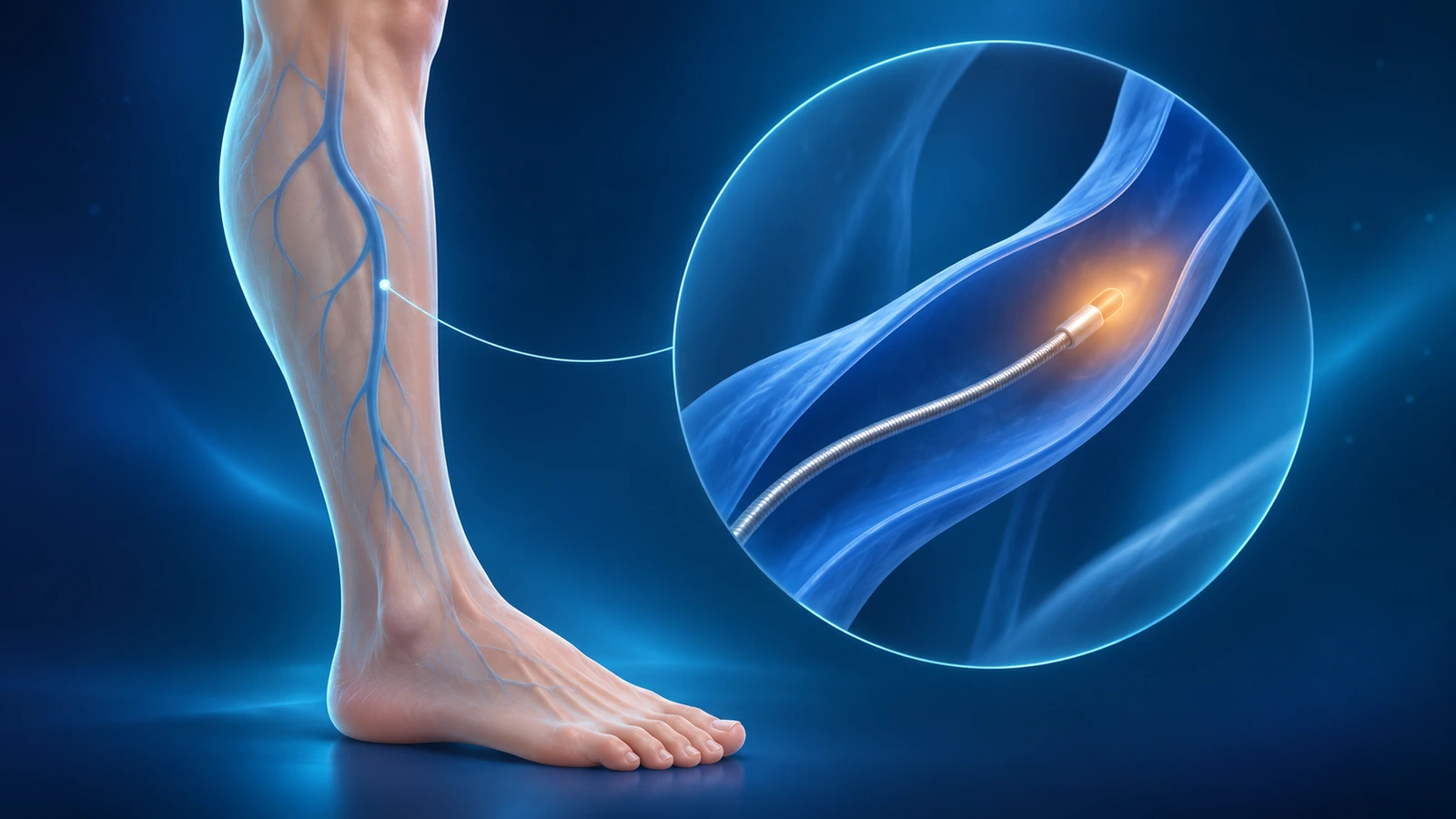
Advances in the treatment of lower-limb varicose veins
How each varicose vein treatment works, what the guidelines recommend and what is new in 2026. A clear explanation to help you make informed decisions.
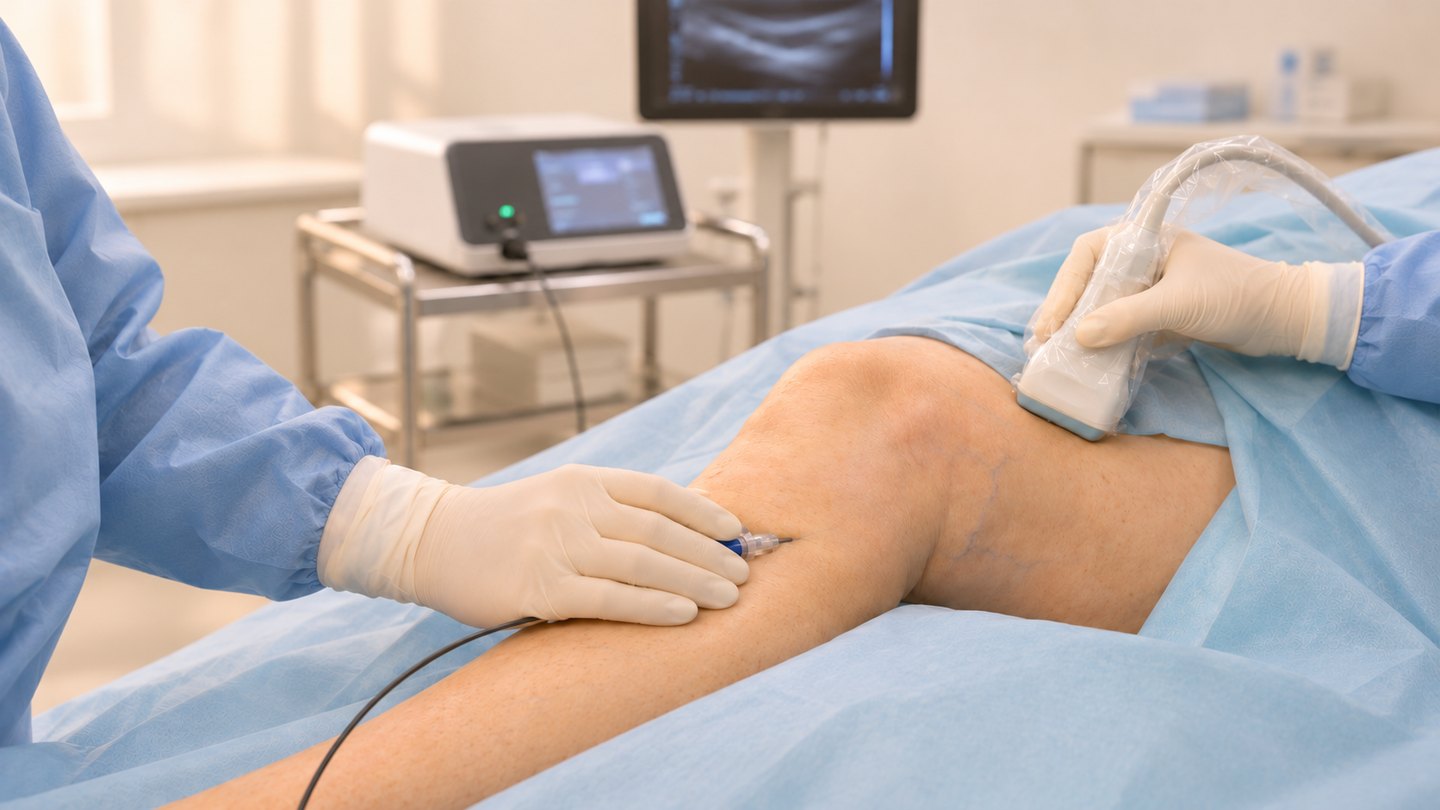
Radiofrequency ablation for varicose veins
Treatments · Vascular health. Do your legs feel heavy at the end of the day? Have you been told that blood is flowing backwards in one of your saphenous veins? If your symptoms are due to…
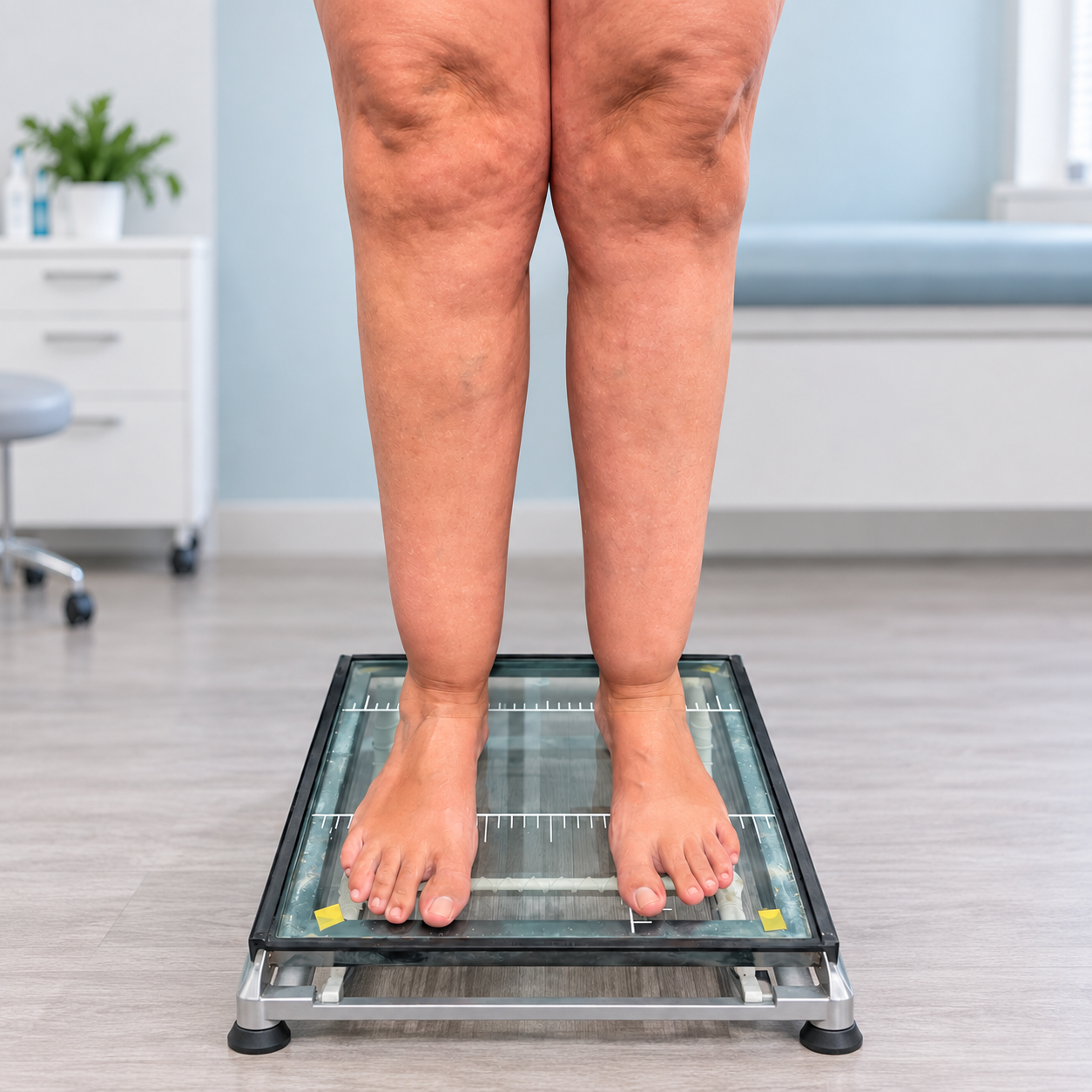
Lipoedema: causes, stages and current treatments
Many women spend years wondering why their legs become disproportionately enlarged, are painful to the touch or bruise easily…

10 reasons to see a vascular specialist
Angiology and vascular surgery is the medical and surgical specialty concerned with disorders of the circulatory system: the arteries, veins and lymphatic vessels…

Is walking beneficial after varicose vein surgery?
A complete guide to a successful recovery. After varicose vein surgery, patients often have questions about what to do to recover quickly and fully. Is it beneficial…

How to treat spider veins
How to restore the appearance of your legs. Spider veins: a closer look at a cosmetic vascular concern. Spider veins, known medically as telangiectasias, are a common concern…

Leg oedema: causes, treatments and advice
Leg oedema. Leg oedema involves an abnormal accumulation of fluid in the tissues of the lower limbs, causing swelling and an increase in…

A guide to sclerotherapy
What it is, how it works and its benefits in treating varicose veins. Sclerotherapy is a highly effective medical procedure used to treat varicose veins and spider veins…

How can atherosclerosis be prevented?
Atherosclerosis affects people of all ages, sexes and ethnic backgrounds. Risk factors include high blood pressure, high cholesterol, diabetes, smoking, physical inactivity and obesity.