Leg oedema
Leg oedema is a medical condition characterised by abnormal fluid accumulation in the tissues of the lower limbs, causing swelling and enlargement in areas such as the ankles, calves and thighs. It may be caused by various factors, including circulatory problems, chronic venous insufficiency, congestive heart failure or kidney damage.
Leg oedema can have a significant impact on health and quality of life. Persistent swelling may cause discomfort and pain, making movement difficult and limiting everyday activities. Oedema may also increase the risk of serious complications such as recurrent infections and permanent tissue changes that, in severe cases, can lead to ulcers and reduced quality of life.


Causes of leg oedema
Of the many causes of lower-limb oedema, the following are the ones we most often encounter in our practice of angiology and vascular surgery:
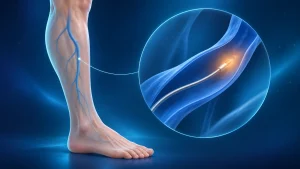
- Chronic venous insufficiency: This is one of the leading causes of leg oedema. It occurs when the venous system is unable to function adequately, allowing blood to flow backwards under the influence of gravity. Venous valves are often incompetent, impairing the return of blood to the heart and causing fluid to accumulate in the tissues of the lower limbs.
- Heart failure: When the heart cannot pump blood efficiently, fluid builds up in the circulation and leaks into surrounding tissues, causing swelling in the legs.
- Kidney problems: The kidneys play a crucial role in removing fluid and waste products from the body. When they do not function properly, fluid retention may occur, causing swelling in the legs and other parts of the body.
- Heat-related oedema: This commonly occurs during hot months due to dilatation of blood vessels and increased fluid loss through perspiration. Although not usually serious, it can cause discomfort and affect quality of life. Heat-related swelling can aggravate all the other types listed here: summer heat affects everyone, and people who already have oedema from other causes may experience considerable worsening.
- Obesity: Excess weight puts additional pressure on veins, impeding venous return and causing fluid retention in leg tissues, which may lead to oedema. When combined with the effects of summer heat described above, this can be very uncomfortable.
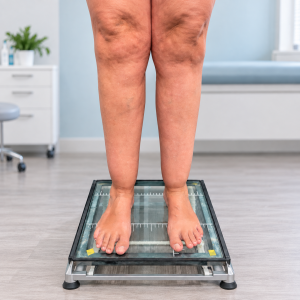
- Lipoedema: This is a chronic, relatively uncommon condition that mainly affects women. It is characterised by a disproportionate, symmetrical distribution of adipose tissue in the lower limbs, resulting in legs that are disproportionately large compared with the rest of the body. Lipoedema may also cause fluid retention and swelling in the legs due to compression of lymphatic vessels by accumulated fat. Affected patients often experience significant worsening during summer due to heat and seek vascular specialist assessment at that time.
- Lymphoedema: This involves an abnormal accumulation of lymphatic fluid due to impaired lymphatic system function. It may be related to congenital conditions or to surgery, radiotherapy, injury or infections that damage the lymphatic system in the legs. Lymphoedema causes leg swelling and pain and, if not managed appropriately, can significantly affect health and quality of life.
- Medication-induced oedema: Some medicines are known to cause or worsen leg oedema. This usually occurs in patients who are already susceptible because of an underlying cause such as those described above. Examples include certain vasodilators, corticosteroids, hormones and anti-inflammatory medicines such as ibuprofen and naproxen.
Symptoms and diagnosis
Leg oedema is characterised by swelling or enlargement of the lower limbs, such as the ankles, calves and thighs. The swelling can make the legs feel heavy and tight. You may notice that socks or shoes feel tighter than usual or leave marks on your skin when removed. Some people also experience pain or tightness in the legs, particularly after standing or sitting for prolonged periods or after physical activity, especially in summer.
To diagnose leg oedema and determine its cause, your vascular specialist will first carry out a clinical assessment, asking about symptoms, medical history, lifestyle and medications. A physical examination will follow to assess swelling, examine the skin and look for signs of venous or lymphatic insufficiency.
To distinguish between different causes of oedema, the doctor may request additional investigations such as:
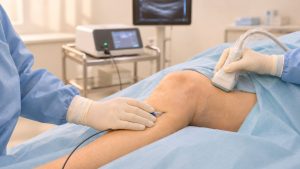
- Duplex ultrasound scan: This examination assesses blood flow in the legs and can help identify venous or arterial problems.
- Blood and urine tests: These tests can help detect kidney problems that may be causing the oedema.
- Imaging investigations: If lymphoedema or lipoedema is suspected, imaging such as lymphoscintigraphy or magnetic resonance imaging (MRI) may be used to assess the lymphatic system and adipose tissue.
Once the underlying cause of oedema is established, an appropriate treatment plan can be developed. This may include lifestyle changes, compression stockings, physiotherapy or medicines, as needed. It is important to seek an initial assessment by a specialist in angiology and vascular surgery to obtain an accurate diagnosis and appropriate treatment approach for leg oedema. Depending on the cause of swelling, consultation with other specialists may also be needed.
Medical treatments for leg oedema


Leg oedema has many different causes, so treatment varies according to the individual case. Treatment may be lifelong in people with a chronic or congenital condition. Effective management depends on identifying and addressing the underlying cause. For example, when oedema is caused by venous insufficiency, specific treatments may improve venous function. If it results from cardiac problems, management focuses on heart failure. Treating the underlying cause is essential for long-term management of oedema.
Below is an overview of the main treatments currently available. Your vascular specialist will determine which is most appropriate after assessing the underlying cause.
- Compression therapy: The compression stockings used in compression therapy are specially designed elastic garments that fit the legs. They exert graduated pressure that decreases from the ankle upwards, helping improve venous blood flow and lymphatic drainage, thereby reducing fluid accumulation and leg swelling. They are available in different compression strengths according to the severity of oedema and should be selected appropriately by a vascular specialist.
- Leg elevation: Leg elevation is a simple and effective way to reduce swelling of the lower limbs. It involves raising the legs above heart level when lying or sitting, using pillows or cushions for support. This position promotes venous and lymphatic return and helps mobilise fluid accumulated in the legs.
- Diuretic medicines: Diuretics increase urine production and therefore help reduce fluid retention in the body. They may be prescribed for oedema caused by kidney problems or as part of treatment to control swelling in certain conditions, for a defined period rather than prolonged use.
- Physiotherapy: Physiotherapy, particularly manual lymphatic drainage, involves a therapist using gentle, rhythmic movements to stimulate the lymphatic system and improve the drainage of accumulated fluid. This technique may help reduce swelling and improve circulation in the legs. Although widely advertised, manual lymphatic drainage is a technique that relatively few physiotherapists have mastered properly. It requires specific specialist training, normally at recognised centres.
- Medicines to support circulation: In vascular medicine, certain medicines known as venoactive drugs or venotonics are used to support blood vessel walls. They are intended to improve venous function and tone, particularly in the legs. By supporting venous walls and blood flow, they may benefit patients whose veins do not function optimally. They can also help relieve oedema and associated symptoms such as heavy legs, cramps and end-of-day fatigue.
- Surgery: In cases of chronic venous insufficiency caused by venous system dysfunction and varicose veins, surgery may be considered to correct abnormal venous circuits thought to cause or worsen oedema. Procedures for venous insufficiency have been discussed in another article on our blog. If you are interested, click here.
Home measures and lifestyle changes
Daily habits and changes to lifestyle and diet are essential for relieving leg oedema and helping prevent recurrence. Regular movement and exercise are essential, as they help improve circulation in the legs and strengthen the muscles that pump blood back to the heart. Activities such as walking, swimming and cycling are beneficial. Avoid remaining in the same position for prolonged periods, whether sitting or standing, to help prevent fluid accumulation in the lower limbs.
The simple act of elevating the legs may also help reduce swelling. Raising the legs above heart level for a few minutes several times a day facilitates venous and lymphatic return, helping mobilise accumulated fluid. Another effective measure is wearing compression stockings. These elastic garments exert graduated pressure on the legs, improving blood flow and reducing swelling.
In terms of nutrition, it is important to maintain a balanced diet and reduce salt intake. Excessive salt intake can contribute to fluid retention, so it is advisable to limit processed and salty foods. We discuss this topic in another article on our blog. Drinking sufficient water is also essential, as good hydration helps the body eliminate waste products.
The maintenance of a healthy weight helps prevent leg oedema, as excess fat can exert additional pressure on the veins and impair circulation. Avoiding excessive heat, saunas and direct sun exposure, and wearing comfortable, loose-fitting clothes can also help improve circulation and reduce swelling.
Finally, it is essential to avoid a sedentary lifestyle and remain active. Incorporating exercise into your daily routine, maintaining a balanced lifestyle and reducing stress may help improve vascular health and prevent leg oedema. It is always advisable to consult a healthcare professional for personalised recommendations and to address any specific health concerns.
When to seek medical attention

If you have swollen legs and experience concerning symptoms, it is important to seek professional medical attention promptly. Situations requiring urgent assessment include severe and persistent swelling that does not improve with home measures, severe or constant leg pain accompanied by swelling, and skin changes such as redness, tenderness, warmth or ulcers.
If you notice swelling following an injury, operation or infection, or if you have a history of heart, kidney or venous problems, it is essential that a specialist in Angiology and Vascular Surgery examines you to determine the underlying cause and establish appropriate treatment.
It is always better to prevent potential complications and obtain a timely diagnosis and treatment. Do not hesitate to consult your vascular specialist for a thorough assessment and recommendations suited to your circumstances. They can determine the cause of the oedema and offer an appropriate treatment plan.
Conclusions
Look after your vascular health and take action today! If you are experiencing leg swelling or fluid retention, it is important to take your wellbeing seriously and seek specialist medical advice. An accurate diagnosis is the first step towards understanding the cause and receiving appropriate treatment.
Do not ignore persistent or painful symptoms in your legs. An experienced vascular specialist can carry out a thorough assessment, consider your medical history and arrange specific investigations to identify the underlying cause of oedema. With a personalised treatment plan, you can work towards better circulation, reduced swelling and relief from leg discomfort.