How to restore the appearance of your legs
Spider veins: an in-depth look at a cosmetic vascular concern
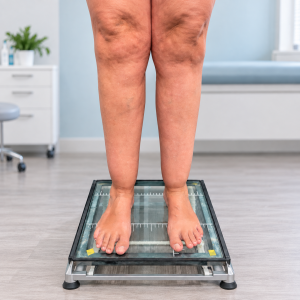
Spider veins, medically known as telangiectasias, are a common concern in angiology and vascular dermatology. These delicate, dilated superficial vessels, often resembling a network of pink or blue threads on the skin, can have a significant impact on appearance and self-confidence.
Although spider veins do not usually present a medical problem, their presence can have a psychological and emotional impact. People affected often report a loss of self-confidence and self-esteem because these tiny vessels are so visible. Treating this cosmetic concern can therefore help improve general wellbeing and quality of life.
Spider veins: a closer look at cutaneous telangiectasias
Spider veins are a superficial manifestation of dilated vessels within the dermis. Their appearance reflects a combination of intrinsic and environmental vascular factors. They develop when tiny superficial blood vessels dilate as a result of various factors. Normally these vessels are barely visible, but when enlarged they become conspicuous on the skin.
This enlargement can be attributed to several factors, including genetic predisposition, age and pregnancy, a period characterised by hormonal changes and increased venous pressure in the lower limbs. People with close relatives who have the condition are more susceptible. During pregnancy, increased pressure on abdominal and lower-limb blood vessels may contribute to this dilatation. Ageing weakens blood vessel walls, facilitating the dilatation of superficial veins.
Although they rarely pose a medical threat, they are a source of cosmetic concern for many people.
Cosmetic and emotional impact of spider veins
As discussed, telangiectasias are more than a superficial cosmetic concern. Their visible appearance can cause distress and worry. People affected may feel self-conscious and restrict their clothing choices because of these conspicuous marks, affecting daily life, self-esteem and social interactions.
Treatment options for spider veins
Effective treatment of spider veins requires an understanding of the therapeutic options available. Two main effective options are sclerotherapy and laser treatment, each taking a different approach to treating these dilated vessels.
Sclerotherapy

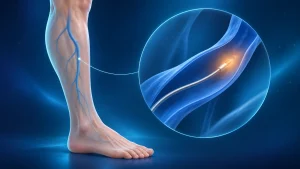
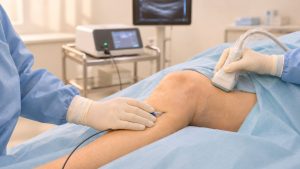
Sclerotherapy is one of the most commonly used and effective treatments for spider veins. During the procedure, a vascular surgeon or dermatologist injects a sclerosant directly into the affected veins. The solution irritates the inner lining of the vessels, causing them to close and eventually be reabsorbed by the body. Sclerotherapy is particularly effective for treating small vessels and often achieves excellent results.
Laser treatment

Laser treatment uses precisely targeted high-energy laser light on the affected veins. The resulting heat causes the dilated veins to close. For those who prefer to avoid invasive alternatives, laser treatment can offer a shorter recovery and less discomfort after the procedure.
The importance of individual assessment
It is worth emphasising that choosing the most appropriate treatment requires an individual assessment by a vascular surgeon. Each patient's anatomy and vascular condition are unique, so treatment must be tailored to the individual case.
This personalised assessment helps achieve optimal results and reduce potential complications. The vascular surgeon can also estimate how many sessions may be needed to achieve the desired outcome.
Benefits of sclerotherapy for spider veins
As a minimally invasive, non-surgical procedure, sclerotherapy can be performed in the clinic. Its main aim is to close and obliterate dilated superficial veins, including spider veins and the vessels that may contribute to their development. The procedure is carried out as follows:
- Individual assessment: before treatment, an experienced vascular surgeon or dermatologist assesses the affected veins to determine the most appropriate approach.
- Preparation: The area to be treated is cleaned with an alcohol-based solution.
- Injection of the sclerosant: A fine needle is used to inject a sclerosant directly into the affected veins. The solution irritates the inner vessel walls, promoting closure and subsequent shrinkage.
- Compression: after the procedure, compression bandages or stockings are carefully applied to the treated area to promote vein collapse and help prevent the formation of blood clots.
- Recovery: the procedure usually takes 15 to 45 minutes, depending on the extent of the area, and allows a rapid return to normal activities. However, it is advisable to protect yourself from sun exposure and avoid strenuous exercise.
Benefits
Sclerotherapy has a success rate of over 90%. Noticeable results are often achieved after a few treatment sessions.
1. Minimally invasive nature: It avoids the need for surgery or incisions, and therefore avoids surgical scars and prolonged recovery. Patients can readily return to their usual routines.
- Long-lasting results: Closure and subsequent reabsorption of the veins contribute to long-lasting results.
- Tolerability: the procedure is usually well tolerated, and any associated discomfort is generally mild and short-lived.
Benefits of laser treatment for spider veins
Laser treatment has become an effective and increasingly widely used option for certain types of spider veins. Its advantages are based on the carefully controlled application of high-energy laser light directed at the affected vessels. The laser increases the temperature inside the vessels, causing them to collapse and gradually be reabsorbed:
- Individual assessment: As with sclerotherapy, a specialist carefully assesses the type and distribution of the spider veins before treatment to determine whether laser treatment is the most appropriate approach.
- Preparation: the area is thoroughly disinfected and, where necessary, local anaesthesia is administered to relieve discomfort during the procedure.
- Laser application: a specialised laser device is directed at the dilated veins. The laser energy provides the heat needed to close the vein.
- Recovery: Laser treatment is a brief procedure that generally produces lasting results, often allowing patients to return quickly to their normal routines.
Benefits
- Non-invasive: This is a major advantage of transcutaneous laser treatment: no visible surgical scars and a short recovery period.
- Surgical precision: The laser can be directed precisely at the target veins while sparing surrounding tissues.
- Speed: laser treatment allows a faster recovery, with noticeable results generally achieved after a small number of sessions.
- Reduced discomfort: patients often report very little discomfort compared with other treatments. Local anaesthesia can help make the procedure well tolerated.
- Long-lasting effectiveness: Laser treatment commonly offers lasting results, with treated veins gradually shrinking and being reabsorbed over time. It is important to emphasise that its effectiveness can vary depending on the type and location of the spider veins. Choosing the optimal technique therefore requires a thorough assessment beforehand.
Preparing for spider vein treatment

Before undergoing spider vein treatment, a careful and systematic assessment is essential to optimise effectiveness and safety. Below are recommendations for patients before any treatment, whether sclerotherapy or laser treatment.
- Initial consultation with a vascular specialist: the first step is to arrange an appointment with an experienced vascular surgeon or dermatologist familiar with spider vein treatment. During this visit, the doctor thoroughly assesses the venous system, explains the treatment options and develops an individual plan suited to the patient's particular condition.
- Providing a complete medical history: Patients should provide their doctor with a complete medical history, including all medicines, vitamins and supplements, and any pre-existing medical conditions. Certain medicines may affect treatment or increase the risk of complications, so the doctor may need to consider adjusting or temporarily stopping them.
- Limiting sun exposure: Patients should avoid sun exposure for at least 14 days before the procedure. Tanned skin makes assessment and treatment more difficult.
- Avoid self-tanning products: Self-tanning lotions or creams should be avoided as they may make assessment more difficult and increase the risk of complications during treatment.
- Choosing suitable clothing: on the day of treatment, patients are encouraged to wear comfortable, loose-fitting clothes. When sclerotherapy is the chosen treatment, bear in mind that you will need to wear compression stockings.
- Adequate hydration and healthy nutrition: In the days before treatment, maintain good hydration and a balanced diet. This supports vascular health and helps prepare your body for recovery.
- Following medical advice: finally, it is important to follow the instructions given by your vascular surgeon or dermatologist. These may include avoiding particular foods or drinks before the procedure and taking precautions to reduce the risk of complications.
Aftercare following spider vein treatment:
Appropriate care after spider vein treatment is essential. Here are some recommendations:
- Wear the prescribed compression stockings
- Avoid sun exposure
- Avoid hot baths and saunas
- Keep the skin well moisturised
- Avoid scratching or rubbing
- Temporarily avoid strenuous exercise
Preventing future recurrence of spider veins
After successful spider vein treatment, it is important to take steps to reduce recurrence. Prevention plays a key role in vascular health and the appearance of the skin. Although recurrence cannot be prevented 100% of the time, we suggest the following strategies:
- Physical activity: Regular exercise is essential for maintaining good vascular health. It activates the leg muscles, improves blood flow and reduces venous pressure, helping manage venous insufficiency.
- Weight management: excess body weight can put additional pressure on the blood vessels of the lower limbs, increasing susceptibility to spider veins.
- Avoid constipation: chronic constipation tends to increase abdominal pressure, making venous return more difficult and contributing to dilatation of veins in the lower body. A high-fibre diet, adequate hydration and a lifestyle that promotes regular bowel movements are important preventive measures.
- Leg elevation: prolonged inactivity while sitting or standing increases venous pressure and can contribute to dilated veins. We therefore recommend elevating the legs periodically in these situations. This supports blood flow and reduces venous pressure.
- Use compression stockings: for people predisposed to spider veins or circulatory problems, graduated compression stockings can be a helpful addition to care. They exert controlled pressure on the legs, supporting blood flow and helping prevent venous dilatation.
- 6. Avoid smoking and extreme heat: Smoking may damage blood vessel walls, increasing the risk of circulatory disease. Exposure to intense heat, such as prolonged hot baths or saunas, may also cause venous dilatation and the development of new spider veins.
The importance of appropriate treatment for spider veins
As discussed, spider veins or telangiectasias can have a significant impact on appearance and self-confidence, but several effective treatments are available.
The guidance of a vascular surgeon or dermatologist experienced in this field is therefore essential.
We encourage you to book an appointment with us to discuss any questions or concerns.
This is a first step towards healthier-looking skin and restoring your confidence.