What it is, how it works and its benefits for treating varicose veins
Sclerotherapy is a highly effective medical procedure used to treat varicose veins and spider veins, as we explain in this guide. It is a non-surgical, minimally invasive option that has become popular because of its effectiveness and notable cosmetic results. Treatment involves injecting a sclerosant directly into the affected veins, causing them to close and subsequently be reabsorbed by the body.
Sclerotherapy has become a reliable, safe alternative for those seeking to treat their varicose veins and improve their quality of life.
In this guide, we explore in detail how the procedure works, its benefits and what to expect during and after treatment.
What are varicose veins and why do they develop?

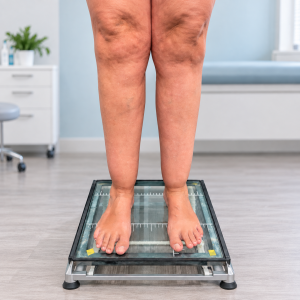
Varicose veins are enlarged, twisted veins seen mainly in the legs. Causes include failure of the venous valves, which normally allow blood to flow upwards towards the heart and prevent reflux, as well as spontaneous dilatation of veins related to a genetic deficiency of collagen in their walls. As a result, blood pools in the veins, exerting pressure on their walls and causing them to enlarge and become distorted.
Several factors contribute to the development of varicose veins, including genetic predisposition, pregnancy, obesity, lack of physical activity, ageing and occupations that involve prolonged standing. As well as being a cosmetic concern, varicose veins can cause uncomfortable symptoms such as pain, swelling, itching and heaviness in the legs, and complications such as thrombosis, bruising, swelling and ulceration.
In the following section, we explain exactly what sclerotherapy involves and how it may help treat this vascular problem. Read on to learn how varicose veins can be treated safely and effectively.
What does sclerotherapy involve?
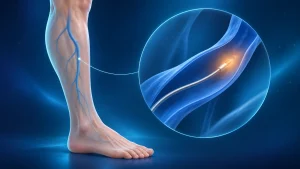
Sclerotherapy is a medical procedure in which a sclerosant is injected directly into varicose veins or spider veins. The solution irritates the inner vein wall, causing inflammation and closure. Over time, the closed veins are reabsorbed by the body and blood is redirected through healthier veins. This inflammatory process is triggered by contact between the sclerosant and the vessel wall and takes time to develop. Results are therefore not immediate, as the treated vascular tissue passes through several stages before it disappears. More than one session is often needed to achieve adequate sclerosis of the vessel.
The procedure is performed in the doctor's clinic and generally requires no anaesthesia. A very fine needle is used to inject the sclerosant into the affected veins. Depending on the size and location of the veins, several injections at different points may be needed.
The duration of a sclerotherapy session varies, but it usually takes between 15 and 30 minutes. Multiple veins can be treated in one session, making sclerotherapy an efficient and convenient option, particularly when conventional surgery has been unsuccessful and recurrent varicose veins have an irregular distribution that makes further surgery difficult.
Types of sclerotherapy
Sclerotherapy can be performed using different techniques, depending on the characteristics of the varicose veins and the doctor's preferences. The two main types are:
- Liquid sclerotherapy: This is the most common form of sclerotherapy. A liquid sclerosant is injected directly into the varicose veins. It irritates the inner vein walls, causing them to close. Over time, the body reabsorbs the closed veins. This technique is usually used for common spider veins treated for cosmetic reasons.

2. Foam sclerotherapy: In this technique, the sclerosant is mixed with air or a special gas to create foam. The foam can cover a larger area inside the vein than the liquid solution and has a greater sclerosing effect. This makes it particularly effective for treating larger varicose veins. Foam sclerotherapy is often used in more complex cases or when liquid sclerotherapy has not achieved the desired results.

The type of sclerotherapy recommended for each patient depends on several factors, including the size and location of the varicose veins and the doctor's experience and preferences.
In the following section, we explore the benefits of sclerotherapy as a treatment option for varicose veins. Read on to understand why this procedure is so widely used and effective.
Benefits of sclerotherapy for varicose veins
Sclerotherapy offers several important advantages as a treatment option for varicose veins. These are some of its main benefits:
- Effectiveness: Sclerotherapy is highly effective in treating varicose veins. The sclerosant acts directly on the affected veins, causing closure and gradual reabsorption. Results are usually visible within a few weeks or months, depending on the extent of the condition.
- Minimally invasive: Unlike traditional surgery, sclerotherapy is a minimally invasive procedure that requires no incisions or sutures. A sclerosant is injected through a small needle, so general anaesthesia and hospital admission are not required. It is performed in the vascular specialist's clinic.
- Quick recovery: Sclerotherapy does not involve a prolonged recovery period. After the procedure, patients are encouraged to walk and carry out normal activities to promote blood flow. A compression stocking is also recommended for an appropriate period prescribed by your vascular specialist. Daily activities can be resumed almost immediately, although strenuous activity and sun exposure should be avoided for a period determined by medical advice.
- Cosmetic improvement: In addition to relieving symptoms associated with varicose veins, sclerotherapy improves the appearance of the legs. As treated veins are reabsorbed, the skin can become smoother and more even.
- Long-lasting results: Although sclerotherapy does not prevent new varicose veins from developing in the future, the results tend to be lasting. Like any treatment, it requires clinic follow-up to identify and address any problems. Additional sessions may be needed for resistant veins and to maintain the results achieved.
In the next section, we explore the steps needed to prepare for a sclerotherapy session. Read on for information before starting treatment.
Preparing for a sclerotherapy session

Before undergoing sclerotherapy, it is important to take certain preparatory steps to optimise the safety and effectiveness of treatment. Here are some key points:
- Medical consultation: The first step is to arrange a consultation with a specialist in angiology and vascular surgery. During the appointment, the varicose veins will be assessed, your medical history discussed and the suitability of sclerotherapy for you determined.
- Medicines: Tell your doctor about all the medicines you take, including over-the-counter products and supplements. Some medicines, such as anticoagulants, may affect sclerotherapy and its results.
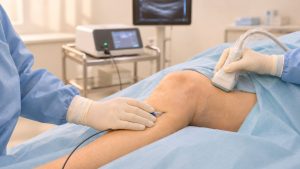
- Additional investigations: Depending on your case, your doctor may request additional investigations, such as a duplex ultrasound scan, to assess the venous system in detail and determine the location and extent of the varicose veins. It is an essential examination for accurate diagnosis and for monitoring the results after sclerotherapy.
- Pre-treatment recommendations: Your doctor will give you specific instructions for preparing for the sclerotherapy session. These may include avoiding lotions or creams on the legs before the procedure, avoiding hair removal on the legs the previous day, wearing loose, comfortable clothing on the day and obtaining a compression garment appropriate to your case.
Following your doctor's instructions is essential to help ensure successful treatment and minimise associated risks.
In the next section, we explore what happens during a sclerotherapy session and how long it takes. Read on for details of the treatment.
What happens during a sclerotherapy session and how long does it take?
A typical sclerotherapy session involves several steps designed to treat varicose veins safely and effectively. Here is an overview of the procedure and its approximate duration:
- Preparation: Before the procedure, a duplex ultrasound scan of the limb to be treated is repeated to confirm the patient's anatomy and the specific veins to be treated. The treatment areas are then cleaned and disinfected. The doctor may mark visible varicose veins to guide the injections.
- Sclerosant injections: A needle is used to carefully inject the sclerosant directly into the affected veins. The number of injections varies according to the number and location of veins treated.
- Pressure and bandaging: After each injection, pressure is applied to the area to help prevent bleeding and promote closure of the veins. A compression bandage or compression stockings may then be applied to help maintain pressure and support circulation.
- Duration: A sclerotherapy session may last between 15 and 30 minutes, depending on the number of veins treated and the complexity of the case. The duration varies according to the extent and location of the varicose veins.
As explained above, the number of sessions needed for optimal results varies according to the severity of the condition and individual response to treatment. Some patients may need several sessions to achieve the desired results.
In the next section, we discuss aftercare and recovery following sclerotherapy. Read on for important information on maintaining results and promoting a successful recovery.
Aftercare and recovery following sclerotherapy

After undergoing sclerotherapy, it is important to follow aftercare advice to optimise results and support recovery. Here are some recommendations:
- Physical activity: Walking or gentle physical activity is recommended after treatment to promote blood flow. Avoid strenuous and high-impact exercise for at least a few days, or as advised by your doctor.
- Wearing compression stockings: Your doctor will recommend wearing compression stockings for a specified period after treatment. These stockings help reduce swelling and improve blood flow in the legs.
- Avoiding sun exposure: During the first few weeks after sclerotherapy, avoid direct sun exposure to treated areas. Sun exposure may cause dark pigmentation of the skin and affect healing of the treated veins.
- Avoiding hot baths and saunas: Avoid prolonged hot baths, saunas and steam rooms for at least a few days after treatment. Excessive heat may dilate blood vessels and affect closure of the treated veins.
- Medical follow-up: Arrange follow-up appointments with your doctor as recommended. This allows results to be assessed and any additional treatment plan to be adjusted as necessary. In our approach to treatment, follow-up is part of the process and is just as important as the sclerotherapy session itself.
Remember to follow your doctor's specific instructions and contact them if you experience any unusual symptoms or have concerns during recovery.
In the next section, we discuss possible side effects and complications of sclerotherapy. Read on for the important points to consider.
Complications and side effects of sclerotherapy
Although sclerotherapy is a safe and effective procedure, like any medical treatment, it has potential complications and side effects. Some of the more common ones are:
- Changes in skin colour: After sclerotherapy, you may notice changes in skin colour in the treated area. These may include red, brown or purple marks, which generally fade over time. In rare cases, they may persist for several months or be permanent. In general, the more superficial the treated vessel, the greater the risk of staining and pigmentation.
- Tenderness and pain: You may experience tenderness, a burning sensation or pain in the treated areas after sclerotherapy. These symptoms are common and are part of the inflammatory process through which the treated veins are ultimately destroyed. They are usually temporary and may be relieved with prescribed or over-the-counter medicines, as recommended by your doctor.
- Trapped blood (“coagulum”): In larger vessels, particularly without appropriate compression, sclerotherapy may cause blood to coagulate within the treated veins. This may cause local inflammation, pain and redness. If you experience these symptoms, contact your doctor, who may need to drain the “coagulum”.
- Allergic reactions: Although the most common sclerosants are generally safe and have low allergenic potential, some people may experience allergic reactions. These may manifest as itching, skin rashes, wounds in the treated area, swelling or difficulty breathing. If you experience any of these symptoms, seek medical attention immediately.
It is important to remember that complications and side effects are generally uncommon, and in most cases are mild and temporary. Nevertheless, you should report any unusual symptoms or concerns to your doctor so that you receive appropriate care.
In the following section, we conclude this comprehensive guide to sclerotherapy and summarise the key points. Read on for the final overview.
Conclusion: a summary of our guide to sclerotherapy for varicose veins
In this guide to sclerotherapy, we have explored what the procedure is, how it works and its benefits for treating varicose veins. The key points are:
- Sclerotherapy is an effective procedure for treating varicose veins by injecting a sclerosant to close the affected veins and allow them to be reabsorbed.
- Benefits include effectiveness, its minimally invasive nature, a short recovery, cosmetic improvement and lasting results.
- Before undergoing sclerotherapy, arrange a consultation with a vascular specialist, report your medicines, have at least one duplex ultrasound scan and follow the pre-treatment advice.
- Sclerotherapy involves sclerosant injections, pressure and bandaging. A session usually lasts between 15 and 30 minutes, depending on the case.
- After treatment, gentle physical activity, compression stockings, avoiding sun exposure, hot baths and saunas, and arranging medical follow-up are recommended.
- Possible side effects include skin colour changes, tenderness and pain, coagulated blood in treated veins and allergic reactions, the latter being uncommon.
We hope this guide has provided comprehensive, useful information about sclerotherapy as a treatment option for varicose veins. If you are considering the procedure, we recommend consulting a specialist in angiology and vascular surgery to assess your individual case.
¡Thank you for reading our guide to sclerotherapy!
If you have any other questions or need further information, I am here to help.