Cardiovascular risk: prevention and risk factors
Prevention in Angiology and Vascular Surgery

Cardiovascular disease prevention is based on individual risk assessment, as atherosclerosis usually results from a combination of risk factors. Various risk scores have been proposed; the simplest of those discussed here is shown in Table 1.

We therefore recommend assessing cardiovascular risk in people with a family history of cardiovascular disease, familial hyperlipidaemia, major risk factors (smoking, hypertension, diabetes mellitus or dyslipidaemia) and comorbidities that increase risk (ESC guidelines). Although Spain is among the countries classified as low risk (cardiovascular mortality in 2012 among people aged 45 to 74 was <225/100,000 inhabitants in men and <175/100,000 in women), individual risk assessment remains important.
Patients may be classified as having:
- Low to moderate risk (SCORE <5%): lifestyle modification should be advised.
- High risk (SCORE >5% and <10%): lifestyle modification, with drug treatment where indicated.
- Very high risk (SCORE >10%): drug treatment is required.
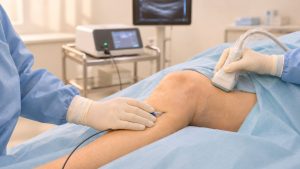
Assessment by a clinician accredited in vascular diagnostics and experienced in the various modalities of Doppler ultrasound, with knowledge of the relevant clinical protocols, is therefore essential. On that basis, we recommend vascular assessment from the age of 40–50 for people at higher risk according to the criteria discussed above.
Prevention of chronic venous insufficiency

Risk factors for venous insufficiency may be classified as modifiable (excess weight, chronic constipation, occupational activity, musculoskeletal conditions and systemic disease) or non-modifiable (age, sex, ethnicity, pregnancy and heredity). The development of chronic venous insufficiency therefore depends primarily on:
- Genetic predisposition.
- The amount of time a person spends standing, which increases with age.
- Hormonal influences and/or high temperatures.
Preventive measures focus on reducing venous hypertension, promoting venoconstriction, maintaining or activating the calf muscle pump and preserving joint mobility in the leg. Preventive advice is included in Table 2.

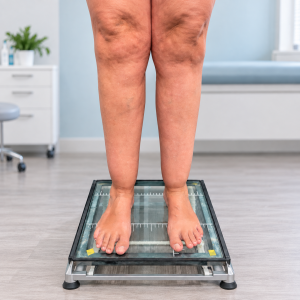
Regarding prevention of venous leg ulcers, it is important to remember that these result from venous hypertension caused by reflux alone or in combination with persistent venous outflow obstruction. This venous hypertension is associated with chronic inflammation affecting both the venous wall and the microcirculation, leading to excessive capillary leakage, impaired skin nutrition, skin changes and ultimately ulceration.
Appropriate anticoagulant dosing and duration, together with compression therapy and early mobilisation, are recommended. Prolonged treatment with low-molecular-weight heparin has been advocated in patients with proximal deep vein thrombosis for prevention of post-thrombotic syndrome. In patients with proximal venous thrombosis, below-knee compression stockings are recommended for at least 2 years in the referenced guidance.
The prevalence of lower-limb ulcers in adults in Western countries is 0.3%. The reported incidence of ulcer recurrence after healing with conservative treatment alone ranges from 24 to 69%. Compression therapy, rest with limb elevation, exercise, reduction in body mass index and treatment of venous insufficiency have all been described as measures to prevent recurrent venous ulceration. Appropriate duplex ultrasound assessment can also identify many patients who would benefit from intervention on the venous system, whether surgical, sclerotherapeutic or combined treatment for complex disease.
As vascular surgeons, our aim is to identify these patients and offer an individualised treatment plan to improve quality of life and help prevent recurrent venous ulceration of the lower limbs.
Data source: “SOCLACIVAS Guidelines”, 3rd edition, 2020.