Duplex ultrasound of the supra-aortic vessels and atherosclerosis
What is it?
Duplex ultrasound of the supra-aortic vessels, including the carotid arteries, is an important non-invasive diagnostic technique for assessing atherosclerosis risk. It evaluates blood flow in the arteries supplying the brain. The examination combines ultrasound imaging with Doppler technology to measure the velocity and direction of blood flow in real time.
This examination is used to detect arterial abnormalities that may lead to stroke or cerebrovascular disease. It is painless and non-invasive, making it a safe and effective diagnostic option.
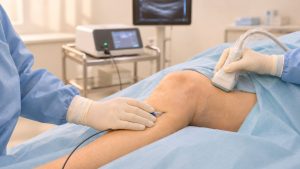
During the examination, the patient lies on an examination couch while the vascular specialist applies ultrasound gel to the areas being assessed. An ultrasound probe is then placed on the neck to transmit sound waves through the tissues and arteries. Reflected sound waves are converted into real-time images of the vessels and blood flow.
The results of a supra-aortic vessel duplex ultrasound scan can be interpreted immediately by an experienced vascular surgeon skilled in duplex ultrasound. The findings may reveal arterial narrowing or obstruction, inadequate blood flow or other abnormalities.

Early detection of atherosclerosis
This non-invasive technique is useful in the early detection and prevention of complications of atherosclerosis. Atherosclerosis is a cardiovascular disease in which deposits of fat, cholesterol and other substances accumulate in arterial walls, potentially causing narrowing and reduced blood flow. It is one of the leading causes of death and can lead to serious complications including heart attack, stroke, heart failure and peripheral arterial disease.
Atherosclerosis affects people of different ages, sexes and ethnic backgrounds and is associated with various risk factors, including high blood pressure, high cholesterol, diabetes, smoking, inactivity and obesity. It often develops over many years without noticeable symptoms, so many people may be at risk without realising it. Early identification is important for preventing serious complications. Duplex ultrasound of the supra-aortic vessels can help detect atherosclerosis before it causes symptoms or complications and can be valuable in vascular risk assessment.
Images obtained with supra-aortic vessel duplex ultrasound allow clinicians to examine arterial structure and identify plaques containing fat and cholesterol. Your vascular specialist can use the findings to assess the degree of arterial narrowing and the risk of associated complications. If atherosclerosis is detected, measures such as medication and lifestyle changes may be taken to reduce the risk of complications and disease progression.


At what age is supra-aortic vessel duplex ultrasound recommended?
There is no specific age at which this scan must be performed, as the need for it depends on individual risk factors. In general, people with cardiovascular risk factors such as high blood pressure, high cholesterol, diabetes, smoking or a family history of cardiovascular disease should be assessed to determine whether the examination is appropriate.
Risk factors can be assessed at any age, including childhood and adolescence. In some cases, supra-aortic vessel duplex ultrasound may be performed in younger people at high cardiovascular risk due to genetic factors, family history or pre-existing medical conditions.
In general, regular assessment of cardiovascular risk factors is recommended from the age of 18, with additional investigations such as supra-aortic vessel duplex ultrasound where risk factors indicate an increased risk of cardiovascular disease.
Where can I have a supra-aortic vessel duplex ultrasound scan?
The scan can be performed at an angiology and vascular surgery clinic by a clinician experienced in duplex ultrasound and accredited by the vascular diagnostic section of the Spanish Society of Angiology and Vascular Surgery.
If you are interested in preventing atherosclerosis and having this examination, find us at one of our clinics by clicking HERE.